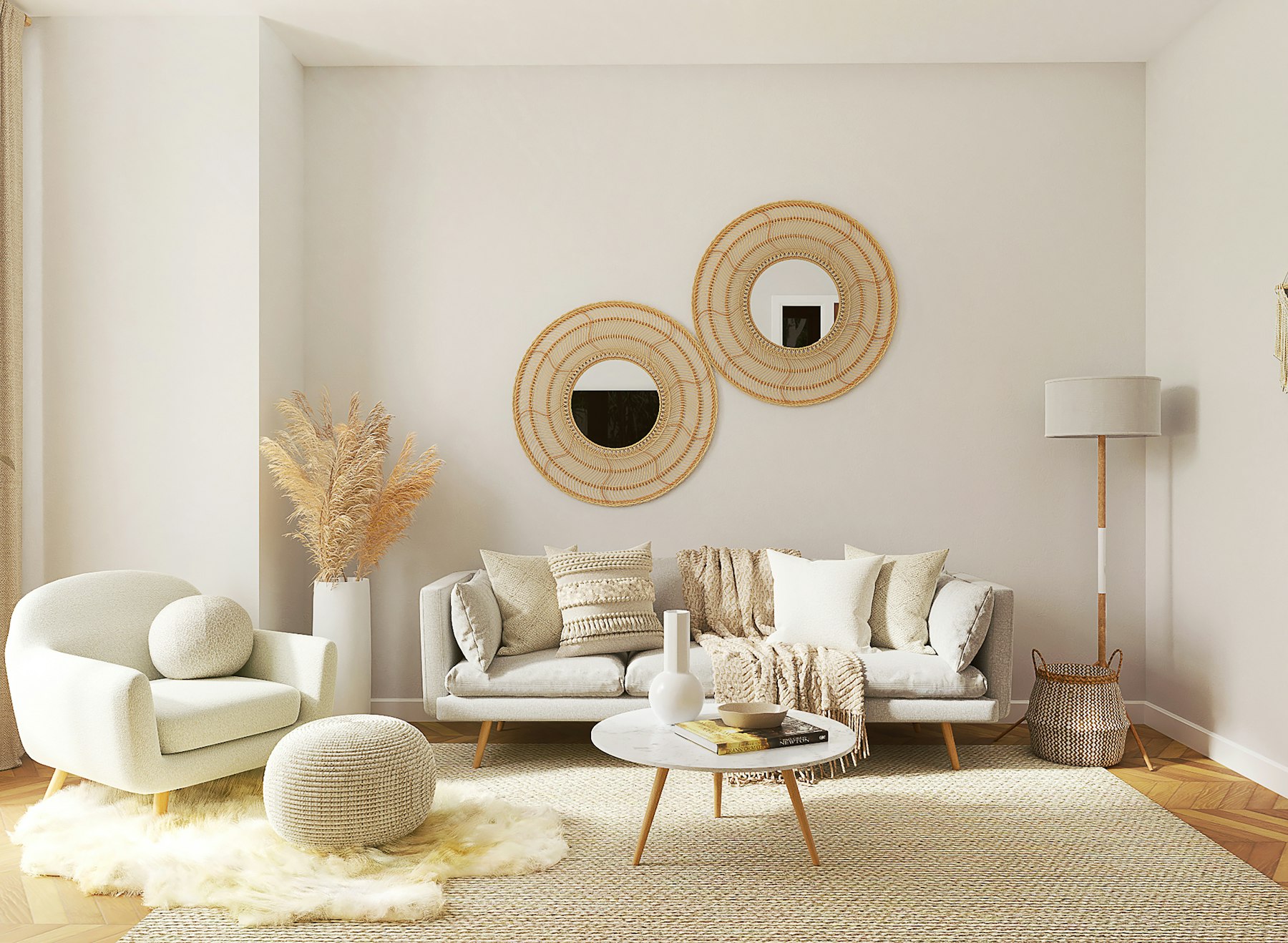
We talk a lot about what we put in our bodies — the supplements, the protocols, the blood panels. But almost nobody talks about the light we bathe in for 16 hours a day inside our homes. That's a problem, because light is arguably the single most powerful input your body receives. It sets the master clock. Everything else downstream — testosterone, cortisol, melatonin, metabolic function, mood, recovery — runs off of it.
The wellness-conscious buyer in Austin is sophisticated. You know your HRV. You've done NMN. You've read the Huberman Lab notes on photoreceptors and ipRGCs. And then you go home to a house where every room blasts 5000K cool-white light until 10pm. All of it undone.
At Sett Studio, we build homes as the wellness infrastructure. That starts with the light environment — designed from the blueprint up, not retrofitted around contractor defaults.
What Circadian Lighting Actually Means
The term gets thrown around a lot. Let's be precise. Your circadian rhythm is a roughly 24-hour biological clock embedded in the suprachiasmatic nucleus (SCN) of your hypothalamus. Light — specifically short-wavelength blue light — is the primary signal that entrains it. Morning blue-rich light triggers cortisol and suppresses melatonin, making you alert. Evening blue light does the same thing at the wrong time, suppressing the melatonin rise that signals your body to begin tissue repair, growth hormone release, and memory consolidation during sleep.
Your house, as currently built, is almost certainly delivering the wrong light at the wrong time in every room. Not because your builder was negligent. Because this wasn't a consideration at all.
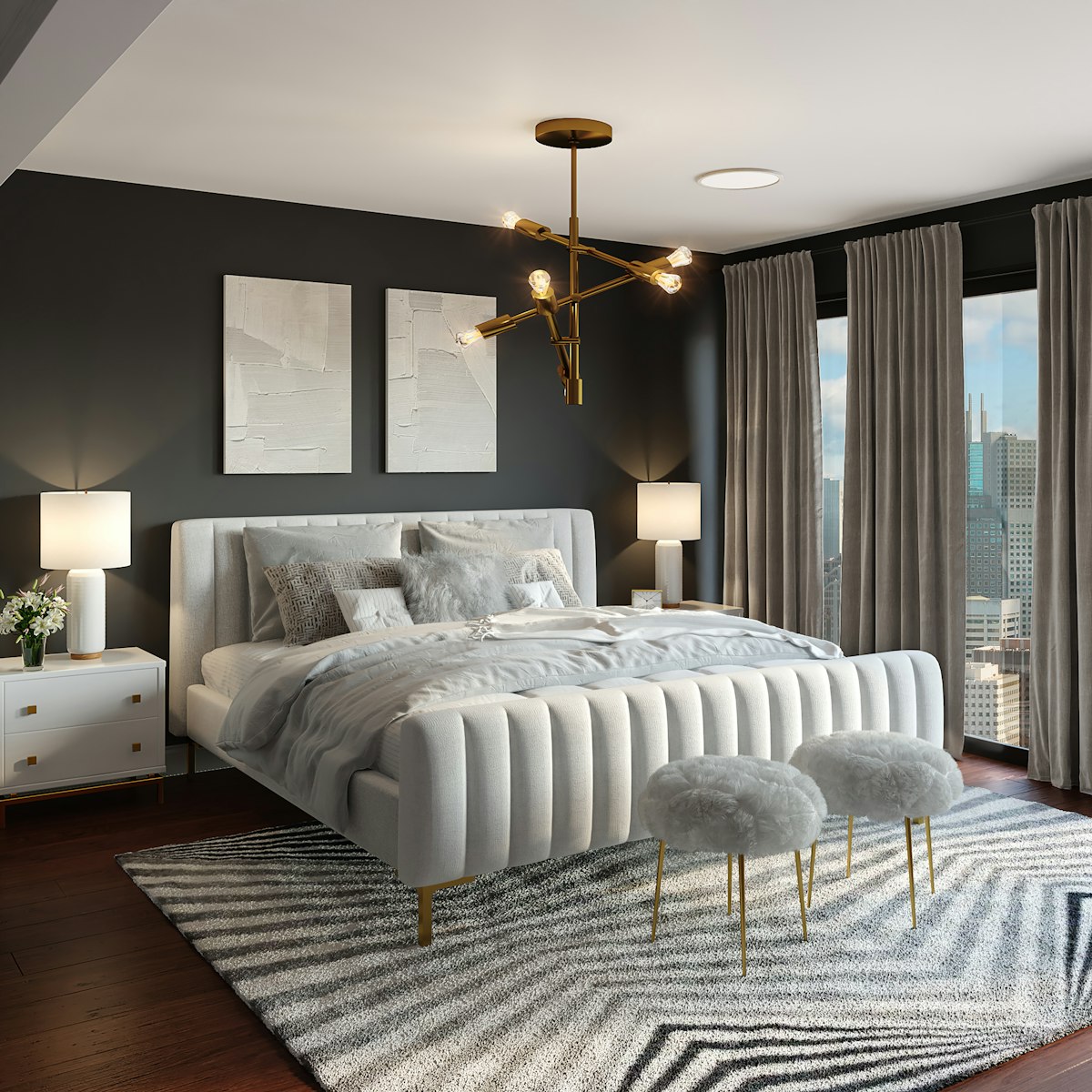
Warm 2700K–3000K ambient light in the evening hours supports the natural melatonin rise. Sett Studio designs lighting zones that shift color temperature with the day.
The Numbers Are Hard to Ignore
These aren't fringe findings. The link between light environment and health outcomes is some of the most replicated science in sleep and metabolic research. Your home is either supporting your biology or working against it, for 16 hours a day, every day.
"Light is the most powerful drug we put in our bodies. The difference is that drugs are prescribed — your home's light environment is almost never intentionally designed."— Sett Studio Design Philosophy
How We Design It In
Morning Zones: Blue-Rich and Bright
Primary gathering spaces — kitchen, great room, breakfast areas — are designed for high color temperature light in the morning hours. We use 5000–6500K fixtures at meaningful lux levels (300+ lux) in these zones. South and east-facing windows are positioned to deliver direct morning sun into the spaces where you start your day. This isn't cosmetic. A properly lit morning kitchen reinforces the cortisol awakening response and sets a sharper, more robust circadian signal than any supplement.

East-facing kitchen windows and high-lux morning lighting zones are designed into every Sett Studio home from the start — not as an afterthought.
Daytime Work and Living Spaces
We tune living spaces to hold 4000–5000K through mid-day, then begin transitioning warm by late afternoon. Tunable LED systems — fully programmable, not just dimmable — allow the home to shift automatically. The system follows the sun, even when you're not thinking about it. In our organic architecture approach, inspired by Frank Lloyd Wright's relationship with natural light, windows are placed to carry daylight deep into the home's interior, reducing the hours you rely on artificial sources entirely.
Evening: Amber and Low
After 7pm, the home shifts to 2000–2700K in all primary living areas. Bedrooms shift to sub-2000K near bedtime. Bathrooms — the notorious melatonin killers — are equipped with switchable warm/cool fixtures. Evening blue light blocking doesn't require discipline or orange glasses. It's built into the architecture. The house does the work for you.
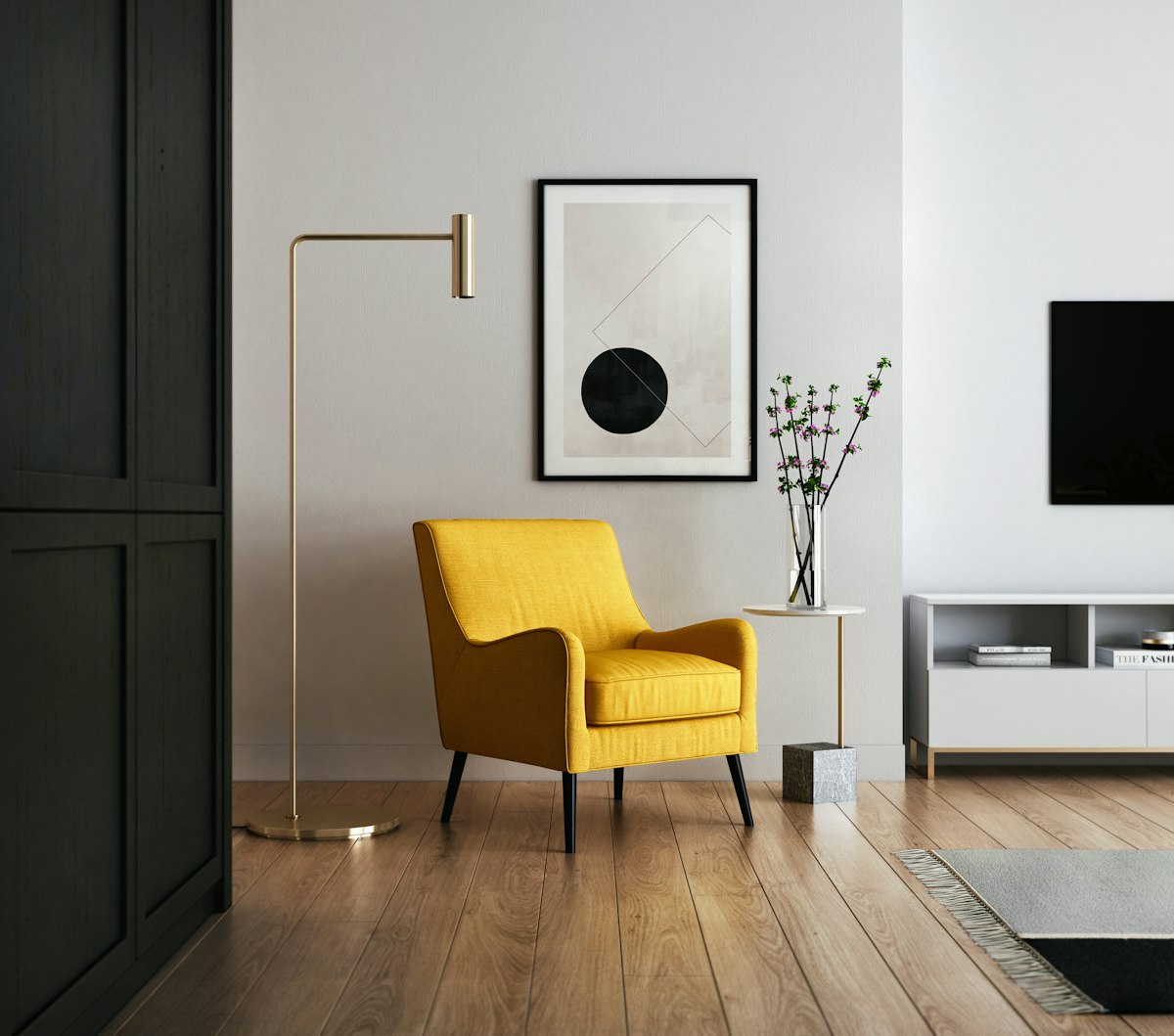
Bedroom lighting in Sett Studio homes is designed to reach sub-2000K color temperature in the final hour before sleep — matching the biology of natural darkness.
Beyond the Light Bulb
Circadian lighting design isn't just about the fixtures. It's about the entire light environment — and that's where Sett Studio's organic architecture approach becomes a genuine performance advantage.
We design for natural light penetration: deep overhangs that block high summer sun while allowing low winter light in. Courtyards and interior garden spaces that bring diffuse daylight into the home's center. Window placement that creates cross-ventilation while maximizing morning exposure in primary spaces.
We design for dark ceilings and absorptive surfaces in evening spaces, reducing light scatter and keeping lux levels low where you want them low. Limestone, aged wood, and natural stone don't reflect light the way glossy white walls do. The material palette is part of the lighting system.
We design for outdoor connectivity — because exposure to natural outdoor light, especially at dawn and dusk, is the most powerful circadian signal there is. Ground-level terraces, covered outdoor dining spaces, and native landscaping designed to be used barefoot at sunrise aren't optional amenities in a Sett Studio home. They're health infrastructure.
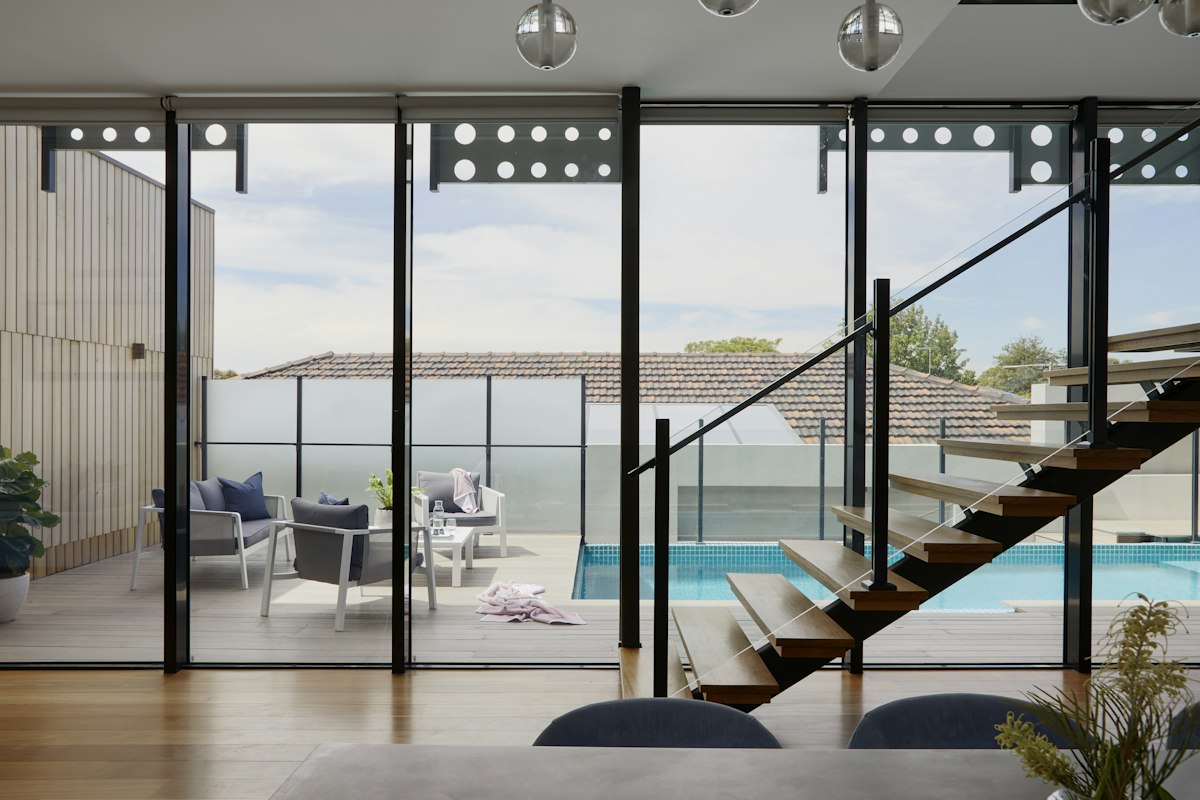
Outdoor spaces designed for barefoot morning use are as important as the light fixtures inside. Sett Studio homes treat the yard as circadian infrastructure.
The Real Cost of Getting It Wrong
Most Austin buyers in the $3M+ range spend $1,500–2,000 a month on wellness outside their home. Sleep coaches. Functional medicine. IV drips. Recovery studios. Oura rings. All of it building health equity in someone else's business, not their own asset.
None of those investments are working at 6am in your house. None of them are available when your kid wakes you up at 2am and you can't get back to sleep under the harsh light you left on in the hallway. None of them address the fundamental environment where you spend 70% of your waking hours.
A properly designed circadian light environment doesn't replace the sauna or the cold plunge or the gym — we build all of those in too. But it multiplies all of them. Because sleep quality is the master variable. Everything else is downstream of it.
This is the Sett Studio thesis. You're already spending the money on health. We build the infrastructure that makes that spending work harder, all the time, in the asset you own. The wellness spend gets capitalized into your home. The biology improves. The equity grows.
Coming Soon — Austin
A Home Designed Around Human Biology.
Down to the Last Photon.
Sett Studio is completing its flagship healthy home — the first property in Austin purpose-built from the ground up as a complete wellness environment. Circadian lighting. Copper plumbing. Cold plunge. Sauna. Food gardens. Zero-VOC throughout. Built to move your bloodwork. Location available to registered interest only.
Register Your InterestWhat To Ask Your Builder
If you're building or renovating in Westlake, Tarrytown, or the Austin Hill Country, here are the questions that separate a wellness-informed builder from one who will hand you a $40 Lutron dimmer and call it done:
Ask about tunable white LED systems — not just dimmable, but color-temperature-shifting. Ask how window placement was determined — sun angle analysis, or just aesthetics? Ask what happens to the light environment in the bathrooms after 8pm. Ask whether the outdoor spaces are designed for morning use, or just curb appeal. Ask whether the material palette was chosen with light reflection in mind.
Most builders will stare at you. That's useful information.
At Sett Studio, these questions have answers. We've been asking them since the first blueprint. The healthy home Austin deserves isn't a product category that exists yet — we're building it.